About Graphite felt & Carbon felt
Graphite felt and
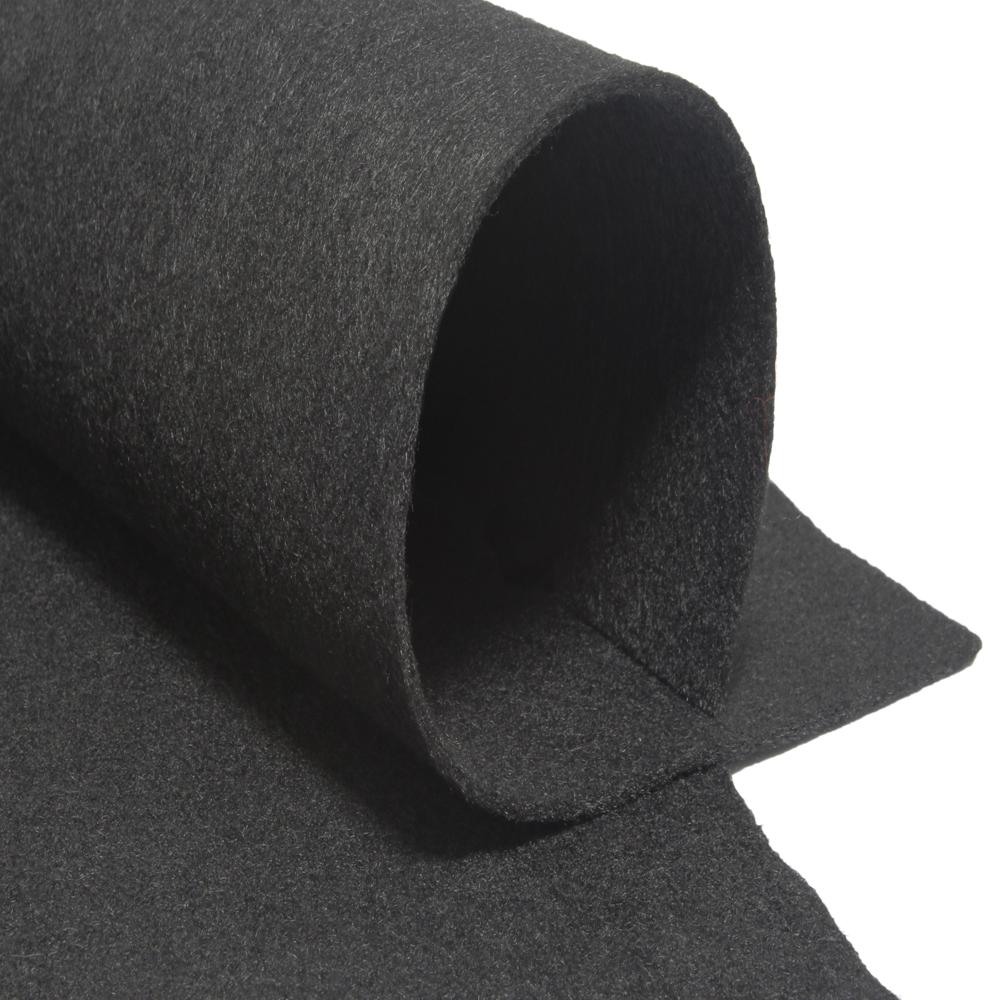
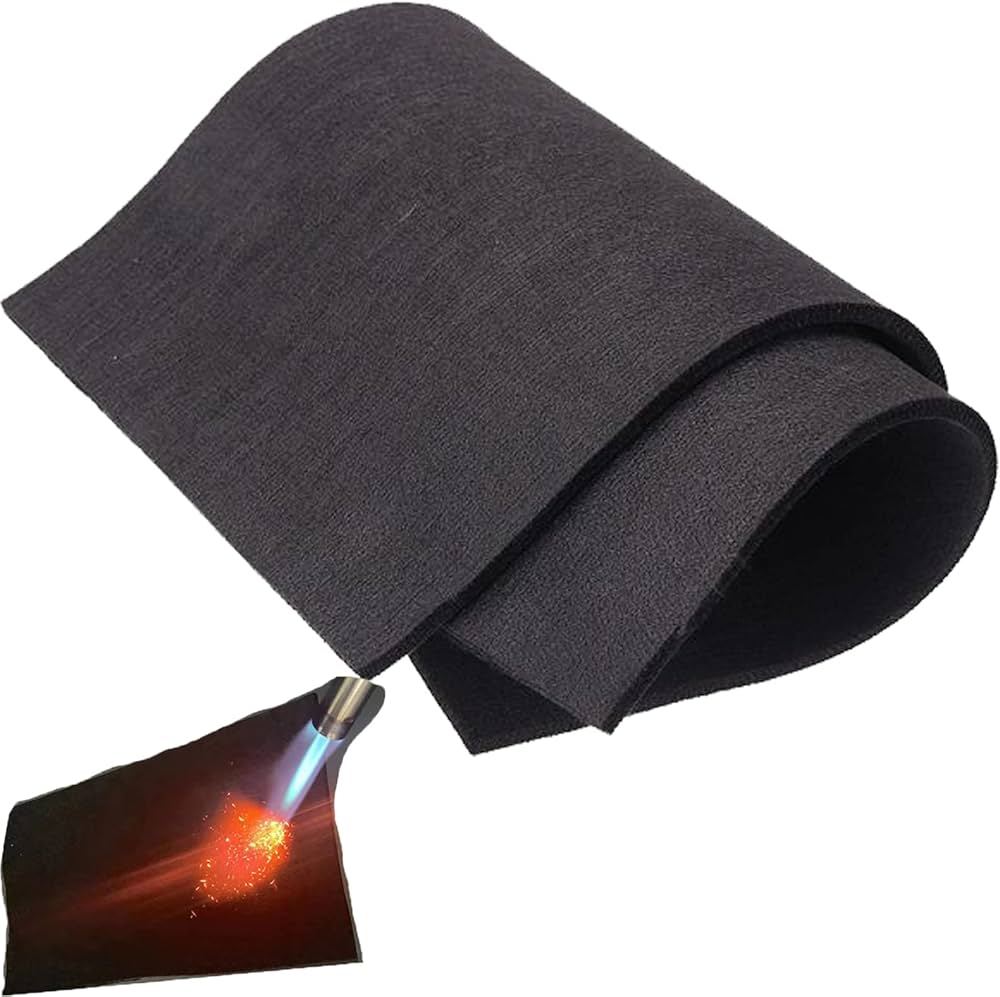
carbon felt are soft, porous, fiber-based materials made from carbon fibers. They are widely used in high-temperature insulation, electrochemical systems, fuel cells, batteries, and industrial furnaces because of their excellent electrical conductivity, thermal resistance, and chemical stability
High-Temperature Performance and PurityDesigned to withstand extreme conditions, these graphite and carbon felts maintain stability up to 3,000C in inert atmospheres. Their high carbon content (99.5%) and minimal impurities ensure optimal performance in sensitive industrial and laboratory settings, safeguarding against contamination and product degradation.
Versatile Thermal and Electrical Insulation SolutionsOffering impressive thermal conductivity and electrical resistivity, these felts are tailored for use in furnace linings, battery production, heat shields, and advanced insulation requirements. Their customizable dimensions and easy handling make them ideal for both large-scale installations and precision applications.
FAQ's of Graphite felt & Carbon felt:
Q: How are graphite felt and carbon felt used in thermal insulation applications?
A: Graphite and carbon felt are widely used as insulation materials in high-temperature processes, such as furnace linings and heat shields. Their low thermal conductivity and high compressibility help prevent heat loss, making them essential for efficient thermal management in industrial environments.
Q: What makes graphite and carbon felt suitable for battery electrode production?
A: Their high purity (99.5% carbon), large surface area (~0.8 m2/g), and excellent electrical resistivity (5103 cm) make them ideal materials for battery electrodes, where reliable electrical performance and chemical stability are crucial.
Q: When should I choose graphite felt over carbon felt (or vice versa)?
A: Both materials are similar in composition, but graphite felt generally offers higher temperature stability and electrical conductivity. For extreme temperature applications or those demanding superior conductivity, graphite felt is preferable; otherwise, carbon felt also serves effectively for most insulation tasks.
Q: Where can graphite or carbon felt be installed, and what shapes are available?
A: These felts are suitable for installation in industrial furnaces, reactors, vacuum chambers, and battery systems. They come in rolls (1.2m x 20m), sheets, or customizable sizes and thicknesses (3mm to 20mm), ensuring they fit various design requirements and spatial constraints.
Q: How should graphite felt or carbon felt be stored to maintain shelf life?
A: They should be stored in a dry, cool place, away from moisture and direct sunlight. Proper storage preserves structural integrity and extends shelf life to 36 months, ensuring the material retains its high performance over time.
Q: What is the benefit of using high-purity felt with low ash and water content?
A: High-purity felt with low ash (0.03%) and water content (0.2%) minimizes the risk of contamination and enhances stability in sensitive processes, making it ideal for high-performance insulation, battery, and laboratory applications.
Q: What processes are involved in manufacturing graphite and carbon felt?
A: Manufacturing involves carbonizing precursor fibers (generally PAN or Rayon) at high temperatures, followed by further treatment to obtain the required purity, density, and thermal characteristics. This advanced process guarantees the felts' superior physical and chemical properties.
 Send Inquiry



 Send Inquiry

 Send Inquiry
 English
 Spanish
 French
 German
 Italian
 Chinese (Simplified)
 Japanese
 Korean
 Arabic
 Portuguese