About ITO and FTO Glass
ITO Glass (Indium Tin Oxide Glass)
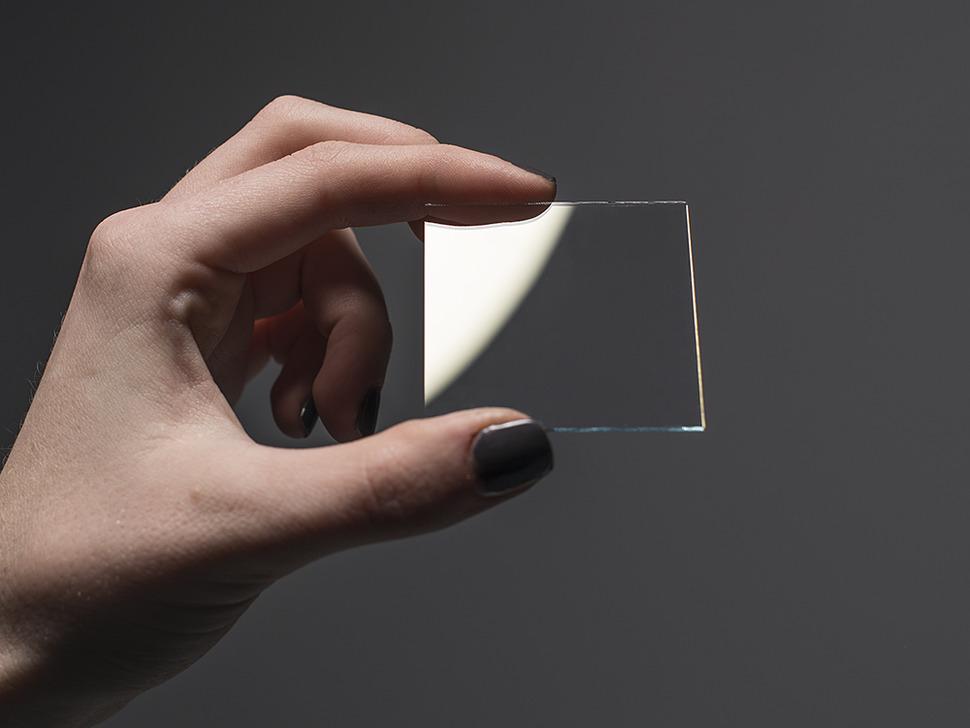
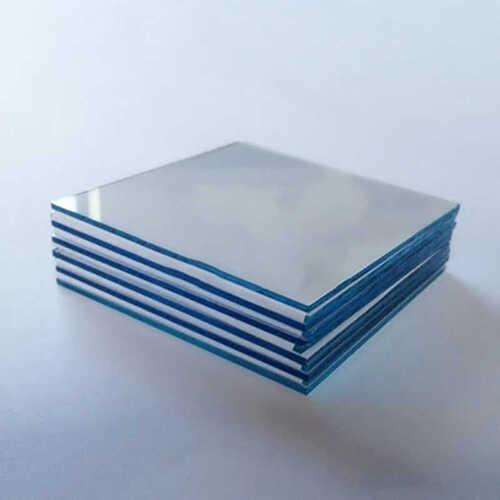
ITO glass is a transparent conductive glass coated with a thin layer of Indium Tin Oxide (InO : SnO). It combines:
FTO Glass (Fluorine-Doped Tin Oxide Glass)
FTO glass is transparent conductive glass coated with Fluorine-Doped Tin Oxide (SnO:F).
High Performance for Optoelectronic ApplicationsITO and FTO glass combine excellent electrical conductivity with superior light transparency, perfectly suiting applications like photovoltaics, touch panels, LCD & OLED displays, smart windows, and biosensors. Their robust coatings deliver outstanding surface uniformity, chemical stability, and reliable performance under diverse conditions.
Customizable Specifications for Unique RequirementsWhether you need ultra-thin sheets or larger panels, ITO and FTO glasses are available in standard as well as tailor-made dimensions and thicknesses. Sheet resistance, transmittance, and surface properties can be customized to meet your specific project needs, ensuring optimal integration into your application.
FAQ's of ITO and FTO Glass:
Q: How are ITO and FTO coatings applied to glass substrates?
A: ITO coatings are applied by sputtering or vacuum deposition on float glass, while FTO coatings are produced via pyrolytic chemical vapor deposition (CVD) on soda lime glass. These methods ensure uniform coating thickness, high adhesion, and excellent optical and electrical properties.
Q: What distinguishes ITO glass from FTO glass in terms of performance and applications?
A: ITO glass offers higher transmittance (>83% at 550nm) and lower surface roughness (<5 nm RMS), making it ideal for applications that require very smooth surfaces like touch panels and displays. FTO glass provides slightly higher surface roughness (<15 nm RMS) and is often preferred for applications like photovoltaics and conductive windows due to its stability and affordable manufacturing process.
Q: When should one choose custom thickness or sheet resistance for ITO or FTO glass?
A: Custom thicknesses and specific sheet resistance values are recommended when your application has unique electrical or optical requirements, such as specific current-carrying capabilities or light transmission needs. These parameters can enhance performance in devices like OLED displays, solar cells, or specialized sensors.
Q: Where are ITO and FTO glass sheets typically used?
A: These coated glasses are widely used in optoelectronic industries. Common application areas include photovoltaic cells, touchscreens, LCD & OLED displays, smart windows, and advanced biosensors, leveraging their high transmittance, low resistance, and robust durability.
Q: What is the benefit of choosing ITO or FTO glass with excellent adhesion and high temperature tolerance?
A: Superior adhesion ensures reliable operation and longevity of the coating during device fabrication or operation, while tolerance to temperatures up to 500C allows these glasses to be integrated into demanding manufacturing processes such as annealing or thermal cycling without degradation.
Q: How do ITO and FTO glass contribute to device efficiency and performance?
A: The combination of high visible light transmittance, low sheet resistance, and excellent surface uniformity minimizes optical losses and enhances conductivity, thus improving the efficiency and responsiveness of devices like solar cells, displays, and sensors.
 Send Inquiry


 Send Inquiry

 Send Inquiry
 English
 Spanish
 French
 German
 Italian
 Chinese (Simplified)
 Japanese
 Korean
 Arabic
 Portuguese