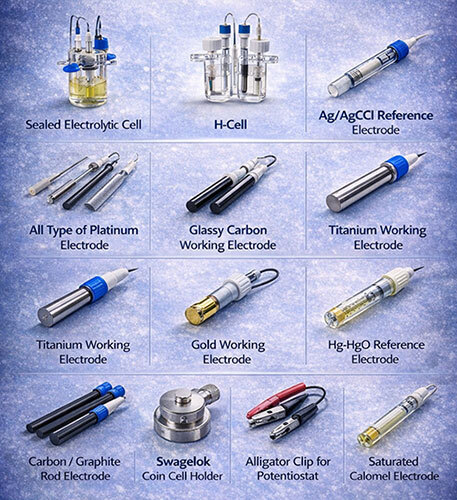
About Glassy Carbon Working Electrode
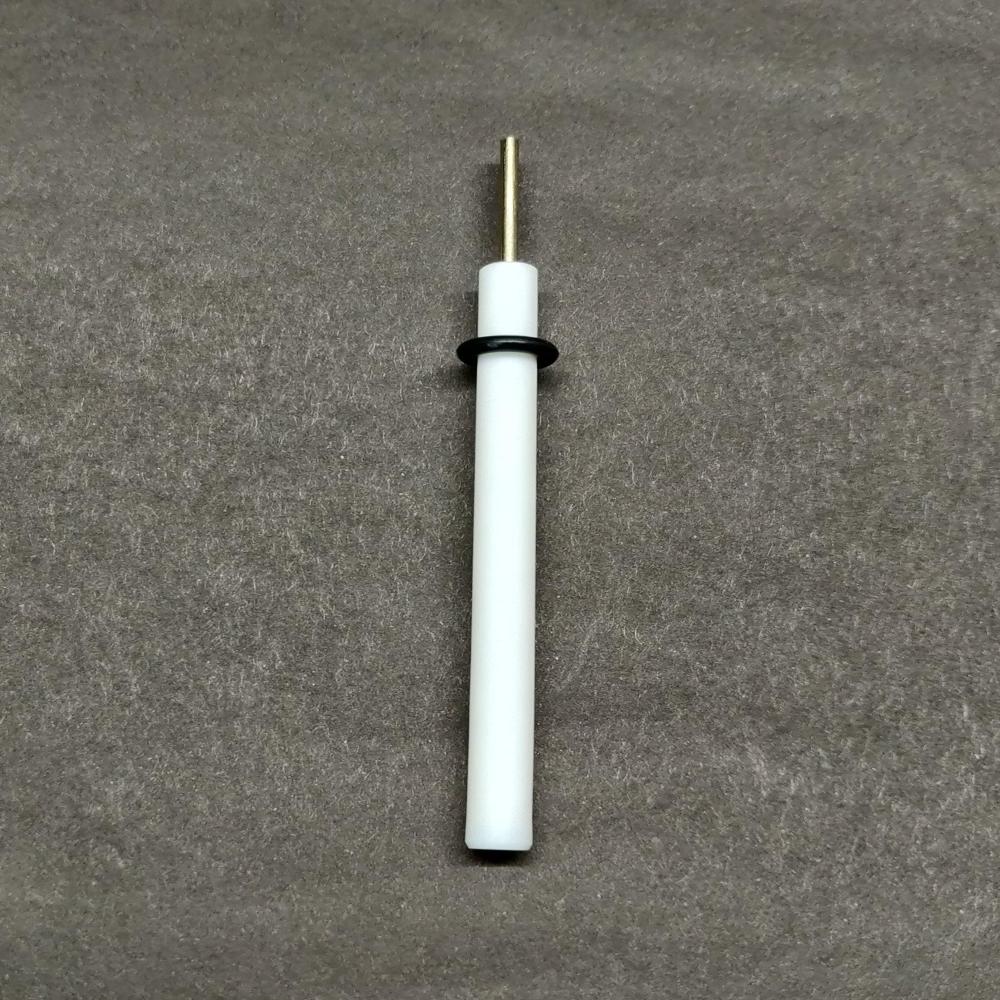
Glassy Carbon Working Electrode (GC electrode) is a type of electrode commonly used in electrochemistry for measuring oxidation and reduction reactions. It is made from a special form of carbon called
glassy carbon (also called vitreous carbon), which combines properties of glass and graphite.
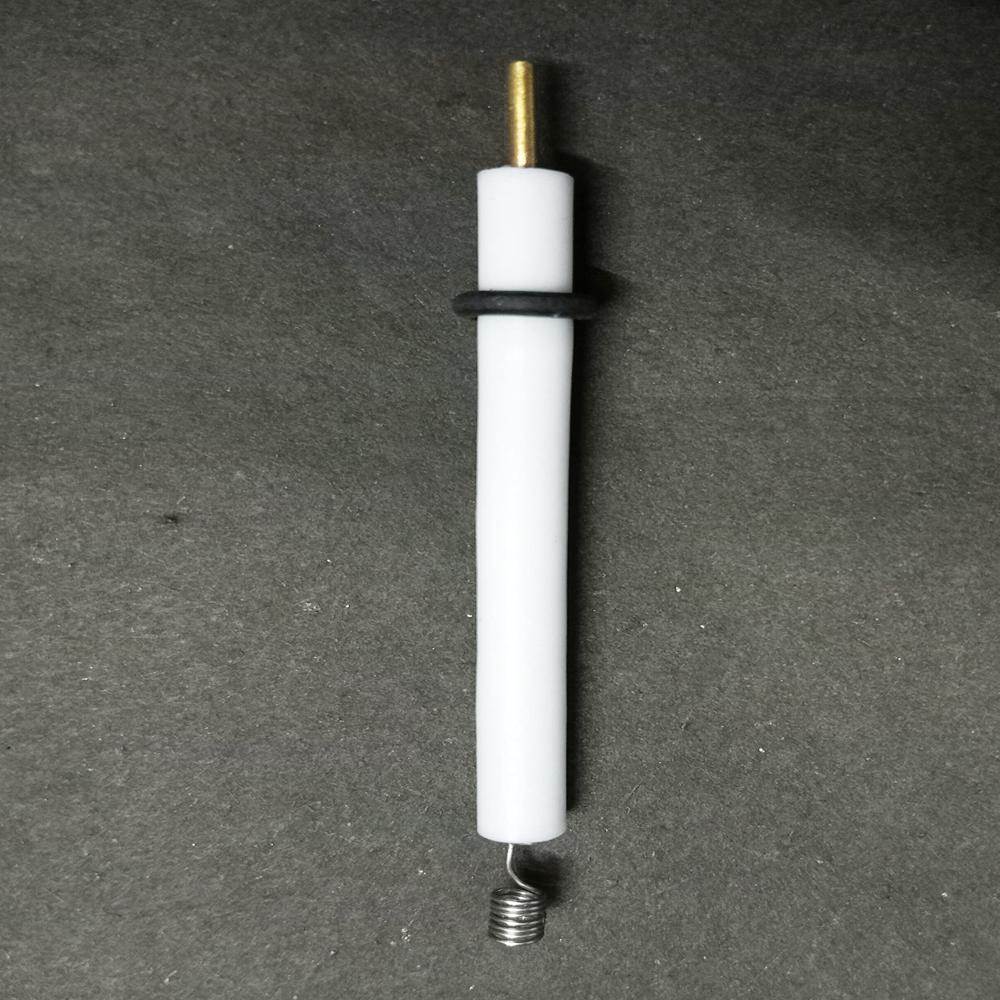
High-Performance Surface and Build QualityEach electrode boasts a mirror polished glassy carbon tip, delivering low background currents and outstanding inertness. The robust PTFE shank provides structural support, making the electrode suitable for repeated use in rigorous laboratory environments. The cylindrical shape and high-quality finish ensure minimal contamination and consistent performance.
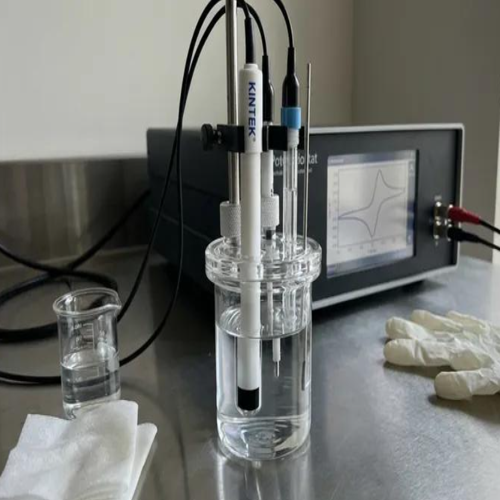
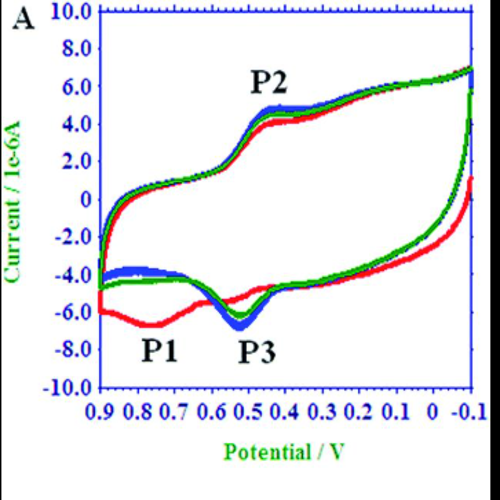
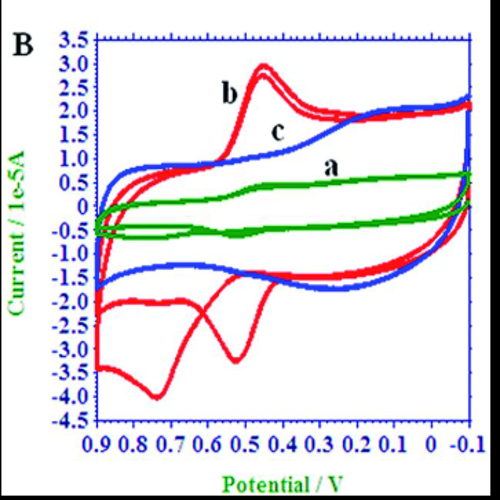
Versatile Applications and Reliable PerformanceGlassy Carbon Working Electrodes are ideal for a wide range of electrochemical analyses, including cyclic voltammetry and sensor development. The wide electrochemical window and high resistance to both acids and alkalis allow users to conduct a diverse array of analytical experiments with high accuracy, stability, and repeatability.
FAQ's of Glassy Carbon Working Electrode:
Q: How should the Glassy Carbon Working Electrode be stored when not in use?
A: Store the electrode in a dry environment and take care to avoid contamination. Ensuring the tip remains clean will help maintain both its accuracy and longevity.
Q: What processes is this electrode commonly used for?
A: This electrode is primarily used for electrochemical analysis, including cyclic voltammetry, sensor development, and a wide variety of laboratory research applications.
Q: When is it necessary to clean or polish the electrode surface?
A: Cleaning or re-polishing is recommended before every new measurement or whenever there is a decrease in electrochemical response. Routine cleaning preserves optimal performance and minimizes background currents.
Q: Where can custom sizes or terminal types be requested?
A: Custom diameter options or connector terminals can be ordered directly from the manufacturer, supplier, or authorized trader to address specific experimental requirements.
Q: What are the benefits of using a mirror-polished glassy carbon tip?
A: A mirror-polished surface results in extremely low background currents, enhanced inertness, and easy cleaning, making the electrode highly suitable for sensitive and repeatable measurements.
Q: How does the electrode resist chemicals during use?
A: The glassy carbon tip offers excellent resistance to acids and alkalis, ensuring reliable performance even in harsh chemical environments and across a broad electrochemical window.
Q: What is the maximum temperature this working electrode can endure?
A: The Glassy Carbon Working Electrode is designed to withstand temperatures up to 200C, making it suitable for experiments requiring elevated thermal conditions.
 Send Inquiry



 Send Inquiry

 Send Inquiry
 English
 Spanish
 French
 German
 Italian
 Chinese (Simplified)
 Japanese
 Korean
 Arabic
 Portuguese