About Platinum Spring Electrode
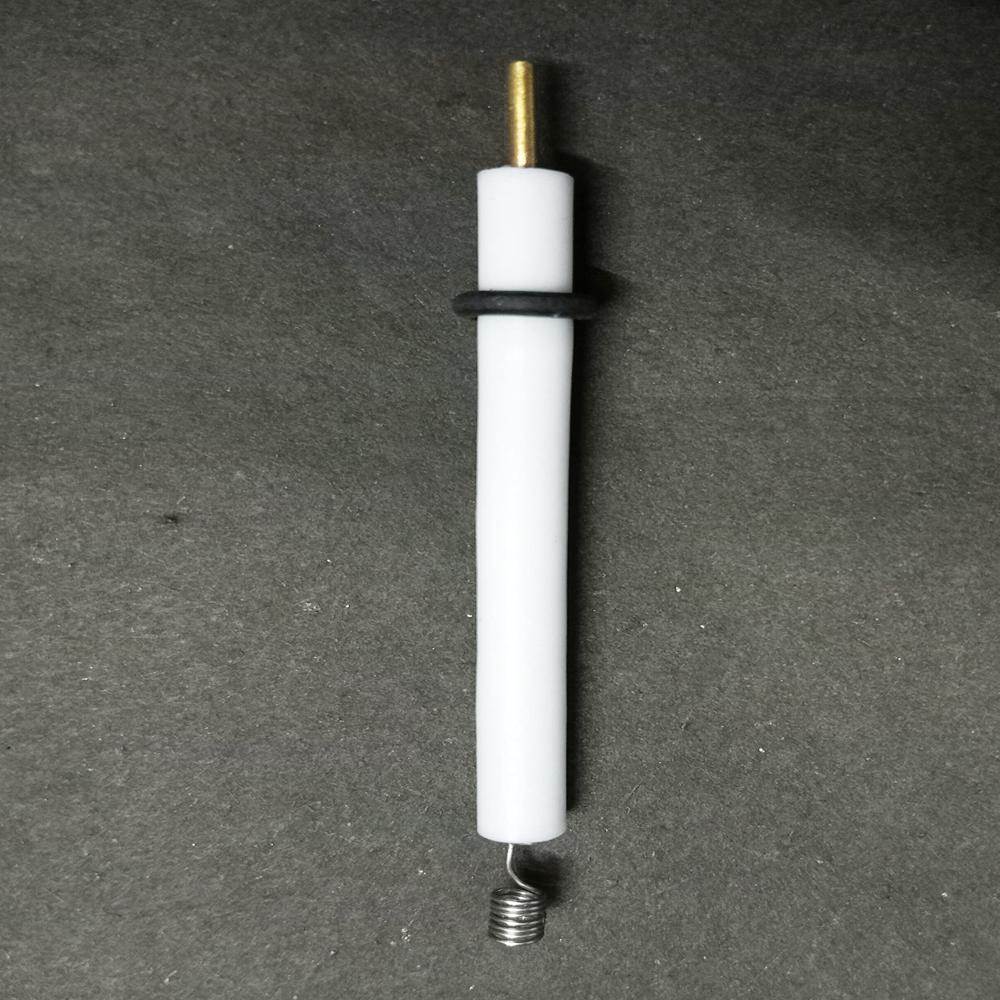
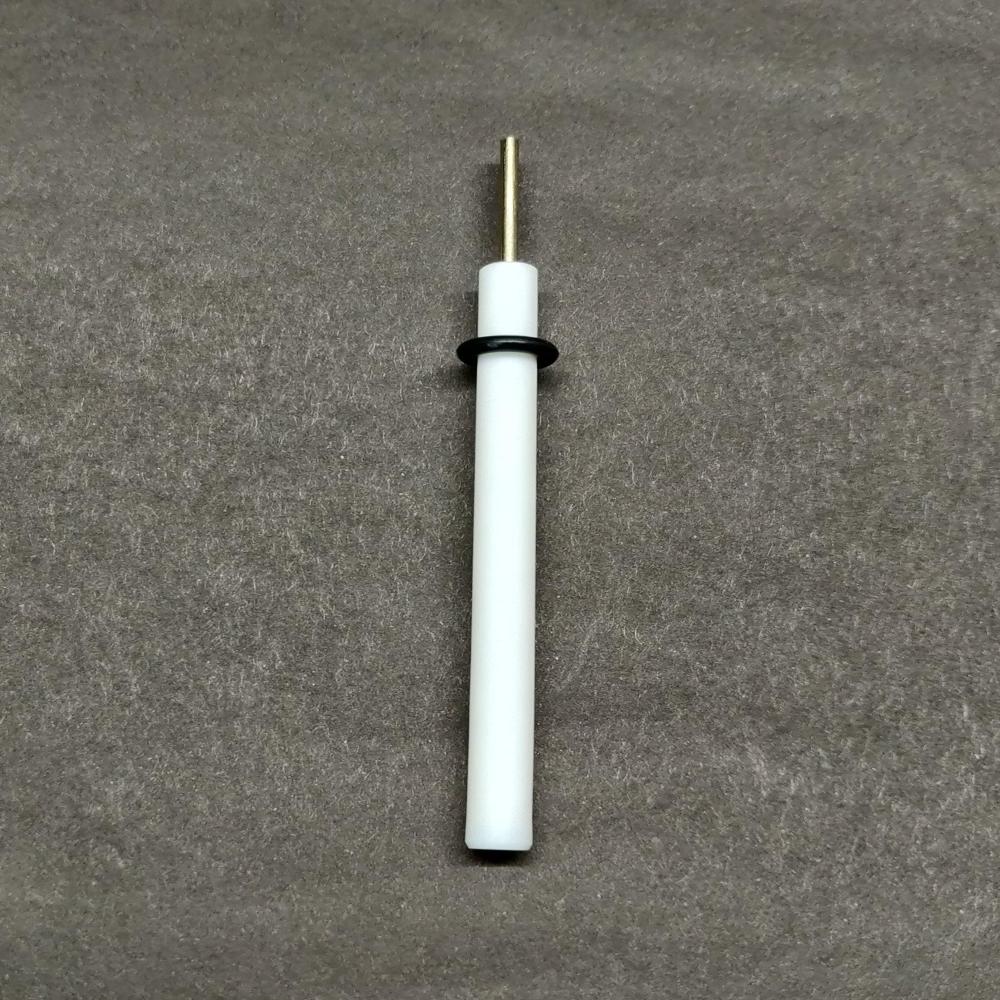
A Platinum Spring Electrode is a coiled platinum wire electrode shaped like a spring. It is commonly used in electrochemical experiments as a counter electrode because platinum provides excellent electrical conductivity, chemical stability, and corrosion resistance.
The spring design increases the surface area of the electrode, allowing efficient current flow and improved electrochemical performance.
High Purity and Durable DesignManufactured using ultra-high purity (99.95%) platinum, the spring electrode delivers outstanding performance in rigorous laboratory and analytical applications. Its spiral configuration enhances surface area, optimizing conductivity while retaining flexibility and structural integrity. The electrode is polished for an impeccable finish and precision fit into diverse setups.
Versatile Mounting and Customization OptionsElectrode lengths, diameters, and configuration are fully customizable to fit specialized requirements. With options for ceramic or glass rod mounting and various dimensions, this electrode integrates easily with a wide range of electrochemical equipment and apparatus. OEM services are available for tailored solutions.
Exceptional Chemical and Temperature ResistanceCapable of operating in harsh chemical environments-including strong acids, bases, and various electrolytes-this platinum electrode remains effective and reliable at temperatures up to 1200C. Its inert metal construction prevents contamination, ensuring analytical accuracy and longevity.
FAQ's of Platinum Spring Electrode:
Q: How does the Platinum Spring Electrode benefit electrochemical analysis?
A: The electrode offers high conductivity, flexible configurations, and superior corrosion resistance, ensuring precise and repeatable results in electrochemical tests. Its pure platinum composition delivers analytical-grade accuracy for laboratory and research applications.
Q: What customization options are available for this electrode?
A: Customers can specify wire diameter (0.20 mm to 1.0 mm), electrode length (50, 75, 100 mm, or custom sizes), spiral configuration (single or double), and mounting preference (with or without ceramic/glass rods), enabling optimal compatibility with their setup.
Q: When is it recommended to use a platinum spring electrode without a ceramic or glass rod?
A: Using the electrode without a mounting rod is ideal for compact setups, specialized apparatus where rod mounting is unnecessary, or when flexibility and direct immersion are required for particular analytical processes.
Q: Where can this electrode be used in laboratory settings?
A: It is widely employed in electrochemical cells, analytical chemistry experiments, corrosion testing, and educational labs requiring precise and durable electrodes. Its versatility makes it suitable for both academic and industrial environments.
Q: What is the recommended process for cleaning and maintaining the electrode?
A: Rinse the electrode gently with distilled water after each use to remove residues. For persistent contaminants, use mild acid solutions compatible with platinum. Avoid abrasive materials; regular maintenance ensures longevity and consistent performance.
Q: How many times can the electrode be reused, and does this affect results?
A: The electrode is designed for multiple reuse cycles, providing consistent analytical outcomes when properly cleaned and maintained. Its high chemical and temperature resilience supports repeated operational reliability.
 Send Inquiry



 Send Inquiry

 Send Inquiry
 English
 Spanish
 French
 German
 Italian
 Chinese (Simplified)
 Japanese
 Korean
 Arabic
 Portuguese