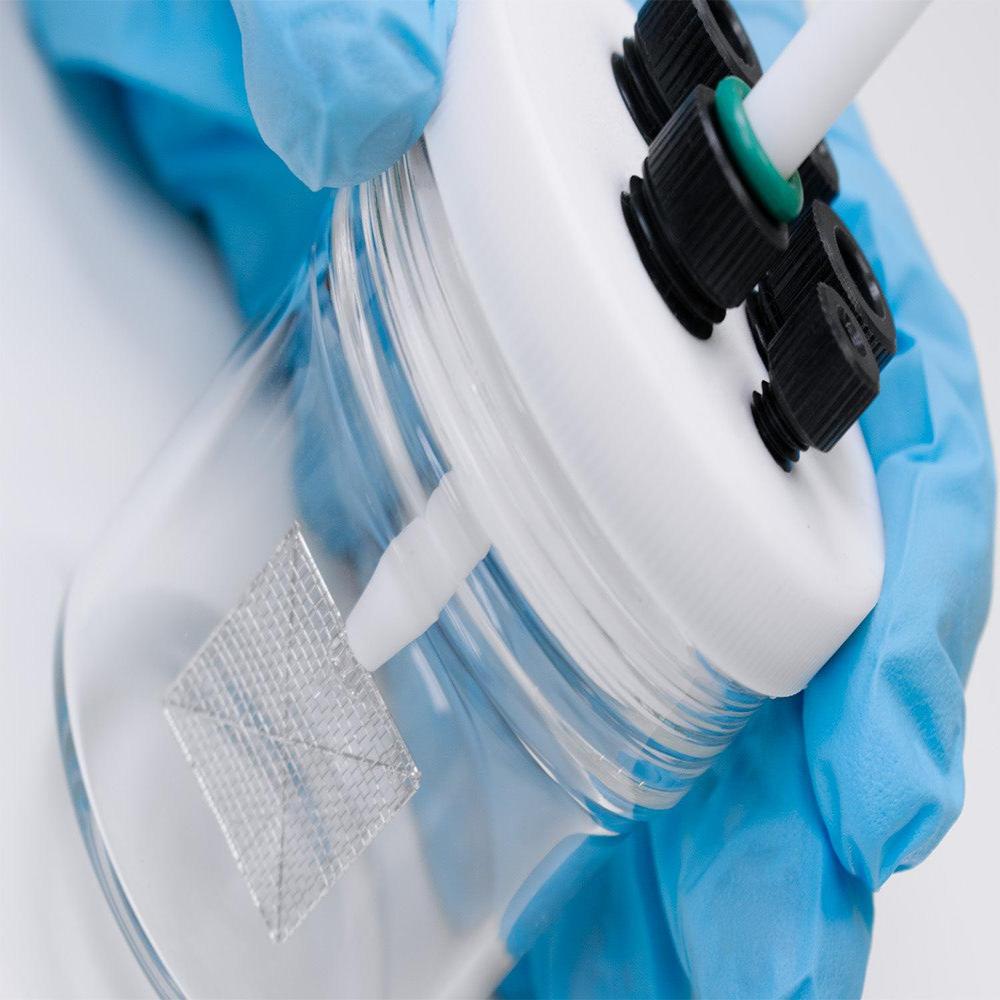
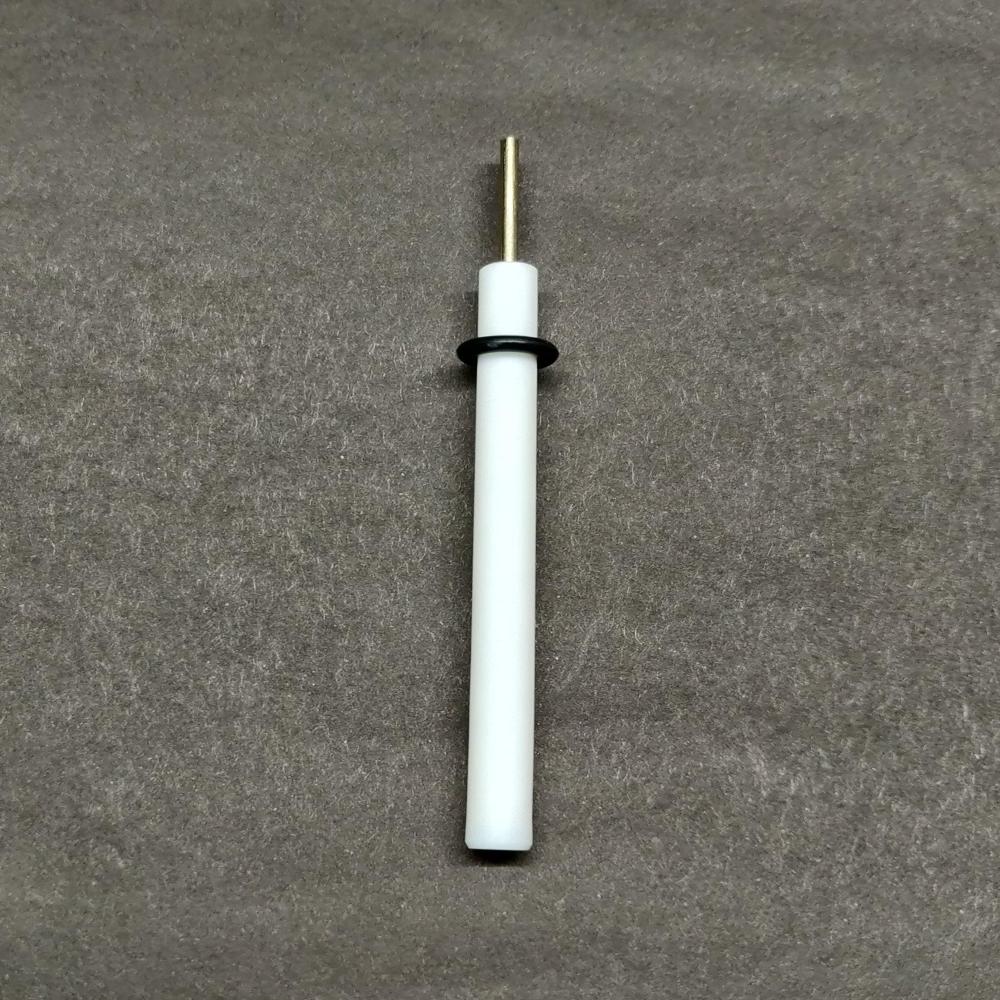
Hg/Hgo Reference Electrode Tef-lon Body

Hg/Hgo Reference Electrode Tef-lon Body

Price 3500.0 INR/ Unit

MOQ : 1 Unit

Hg/Hgo Reference Electrode Tef-lon Body Specification

  • Accuracy
  • High Electrode Potential Stability
  • Shape
  • Cylindrical
  • Glass Type
  • Borosilicate Glass (Inner Tube)
  • Features
  • Non-reactive PTFE construction, Leak-proof design, Refillable electrolyte, Corrosion resistance
  • Temperature Resistance
  • up to 60C
  • Control Type
  • Manual (for filling/maintenance)
  • Type
  • Hg/HgO Reference Electrode, Hg/Hgo Reference Electrode
  • Dimension (L*W*H)
  • 150 mm 8 mm (Length Outer Diameter)
  • Equipment Type
  • Analytical Instrument / Reference Electrode
  • Equipment Materials
  • Teflon Body, Glass Inner Tube
  • Voltage
  • Standard Electrode Potential (approx. +0.098V vs SHE in 1M KOH)
  • Material
  • Teflon (PTFE), Glass, Mercury, Electrolyte Solution
  • Application
  • Electrochemical Measurements, Reference Electrode in Laboratory Experiments
  • Compatibility
  • Suitable for Standard Laboratory Cells
  • Connector Type
  • 2 mm Pin or Suitable Terminal
  • Length of Immersion
  • Approx. 50-150 mm (Adjustable)
  • Storage Recommendations
  • Store Upright, Away from Direct Sunlight
  • Safety Warning
  • Handle Mercury with Appropriate Precaution
  • Electrolyte
  • Saturated KCl Solution or Custom Electrolyte
  • Mercury Content
  • Approx. 1 gram
  • Refillable
  • Yes (Top Refillable Port)
  • Junction Type
  • Porous Frit (Salt Bridge Junction)


About Hg/Hgo Reference Electrode Tef-lon Body

A Hg/HgO Reference Electrode (Mercury/Mercury Oxide Electrode) is a commonly used reference electrode in electrochemical experiments, especially in alkaline solutions.

It provides a stable and reproducible reference potential against which the potential of a working electrode can be measured.

The electrode consists of:
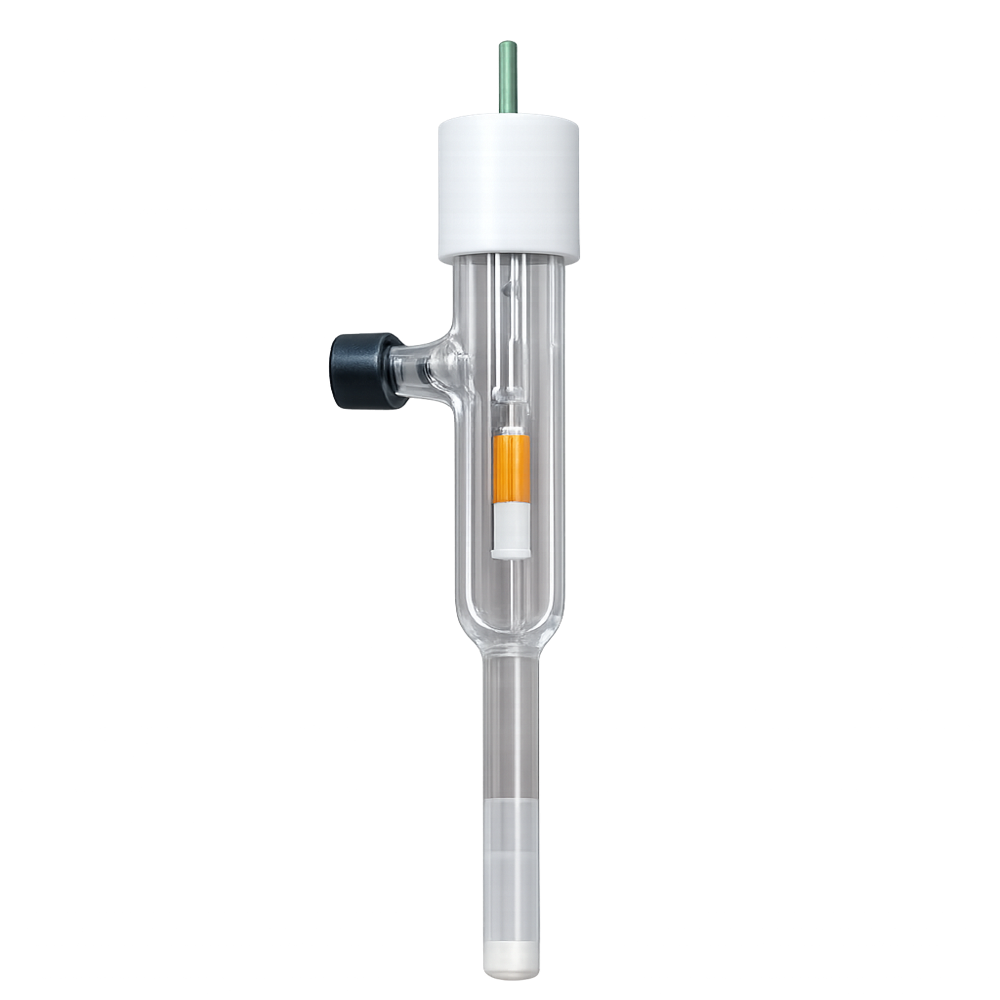
  • Mercury (Hg)
  • Mercury oxide (HgO)
  • Alkaline electrolyte such as KOH or NaOH


Superior Construction for Laboratory Excellence

Designed with a non-reactive PTFE outer casing and borosilicate glass inner tube, this electrode stands out for its durability, leak-proof design, and chemical resistance. Its refillable electrolyte system and corrosion-resistant materials ensure performance longevity, supporting repeated use and consistent results in standard laboratory cells.


Flexible Application and Easy Maintenance

The electrode's adjustable immersion length and compatibility with various terminals make it suitable for diverse laboratory setups. The top refillable port allows convenient maintenance and easy electrolyte replacement, enabling optimal potential stability during electrochemical measurements.

FAQ's of Hg/Hgo Reference Electrode Tef-lon Body:


Q: How should the Hg/HgO reference electrode be stored to maintain its performance?

A: Store the electrode upright in a cool location, away from direct sunlight or heat sources. This helps preserve electrolyte stability and prevents mercury contamination or evaporation.

Q: What is the primary use of this Hg/HgO reference electrode in laboratory experiments?

A: It serves as a stable reference electrode in electrochemical measurements, offering high electrode potential stability and accurate reference values crucial for analytical work in standard laboratory cells.

Q: What safety precautions are necessary when handling the electrode?

A: Wear appropriate personal protective equipment such as gloves and safety glasses. Since mercury is present, handle with care to prevent spills or exposure, and observe all laboratory safety protocols during use and maintenance.

Q: How and when should the electrolyte be refilled or replaced?

A: Refill or replace the electrolyte via the top refillable port whenever its level drops visibly or the electrode's performance becomes inconsistent. Use saturated KCl solution or a custom electrolyte compatible with your application.

Q: What benefits does the PTFE (Teflon) body offer compared to other materials?

A: PTFE construction provides exceptional chemical inertness, ensuring corrosion resistance and preventing contamination or reactions with most laboratory chemicals. This enhances durability and long-term accuracy.

Q: Where is this reference electrode typically used?

A: It is widely used in research labs, quality control environments, and educational institutions for accurate voltage reference during electrochemical analysis and laboratory experiments.

Tell us about your requirement
product

Price:

Quantity
Select Unit

  • 50
  • 100
  • 200
  • 250
  • 500
  • 1000+
Additional detail
Mobile number

Email

More Products in Reference Electrodes Category

Rotating Ring Disc Electrode

Rotating Ring Disc Electrode

Price 75000.0 INR / Piece

Minimum Order Quantity : 1 Piece

Type : Other, Rotating Ring Disc Electrode (RRDE)

Material : Platinum (for both ring and disc), glass housing
Dimension (L*W*H) : 180 mm x 130 mm x 200 mm (approx.)

Application : Electrochemical research, corrosion studies, sensor development, catalyst screening

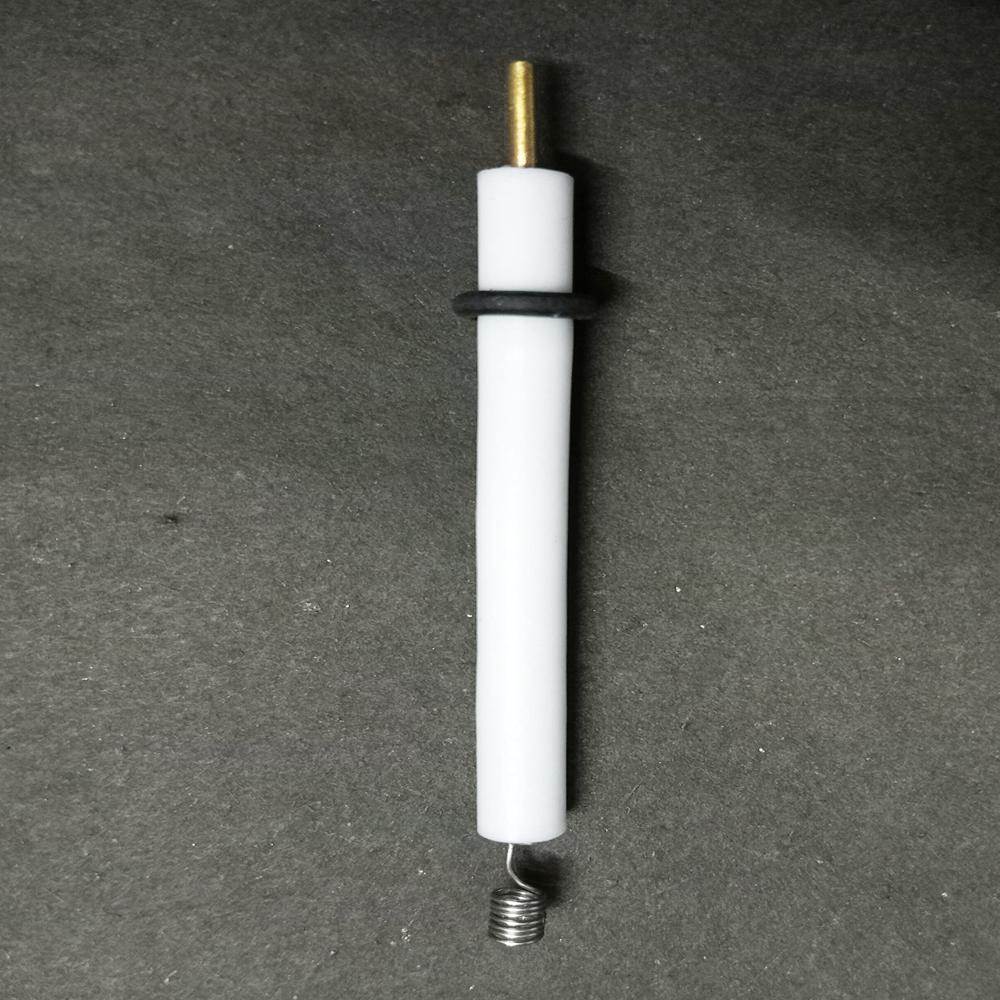
Platinum Spring Electrode

Platinum Spring Electrode

Price 8500.0 INR / Unit

Minimum Order Quantity : 1 Unit

Type : Other, Spring Electrode, Other, Spring Electrode

Material : High Purity Platinum

Dimension (L*W*H) : Customizable

Application : Electrochemical Analysis, Laboratory Experiments

Platinum Mesh Electrode

Platinum Mesh Electrode

Price 20000.0 INR / Unit

Minimum Order Quantity : 1 Unit

Type : Other, Mesh Electrode, Other, Mesh Electrode

Material : Platinum (Purity 99.95%)

Dimension (L*W*H) : Customizable sizes available (e.g., 40 mm x 10 mm x 0.2 mm)

Application : Electrolysis, Laboratory Research, Industrial Processes, Electrochemical Analysis

Glassy Carbon Working Electrode

Glassy Carbon Working Electrode

Price 11500.0 INR / Unit

Minimum Order Quantity : 1 Unit

Type : Other, Working Electrode, Other, Working Electrode

Material : Glassy Carbon

Dimension (L*W*H) : 3 mm diameter (Standard), length ~60 mm

Application : Electrochemical analysis, cyclic voltammetry, sensor development, laboratory research


Back to top