About Industrial glassware & laboratory glassware
Laboratory glassware refers to the various containers, measuring devices, and tools made mainly from heat-resistant glass used in scientific laboratories for experiments, mixing, heating, storing, and measuring chemicals.
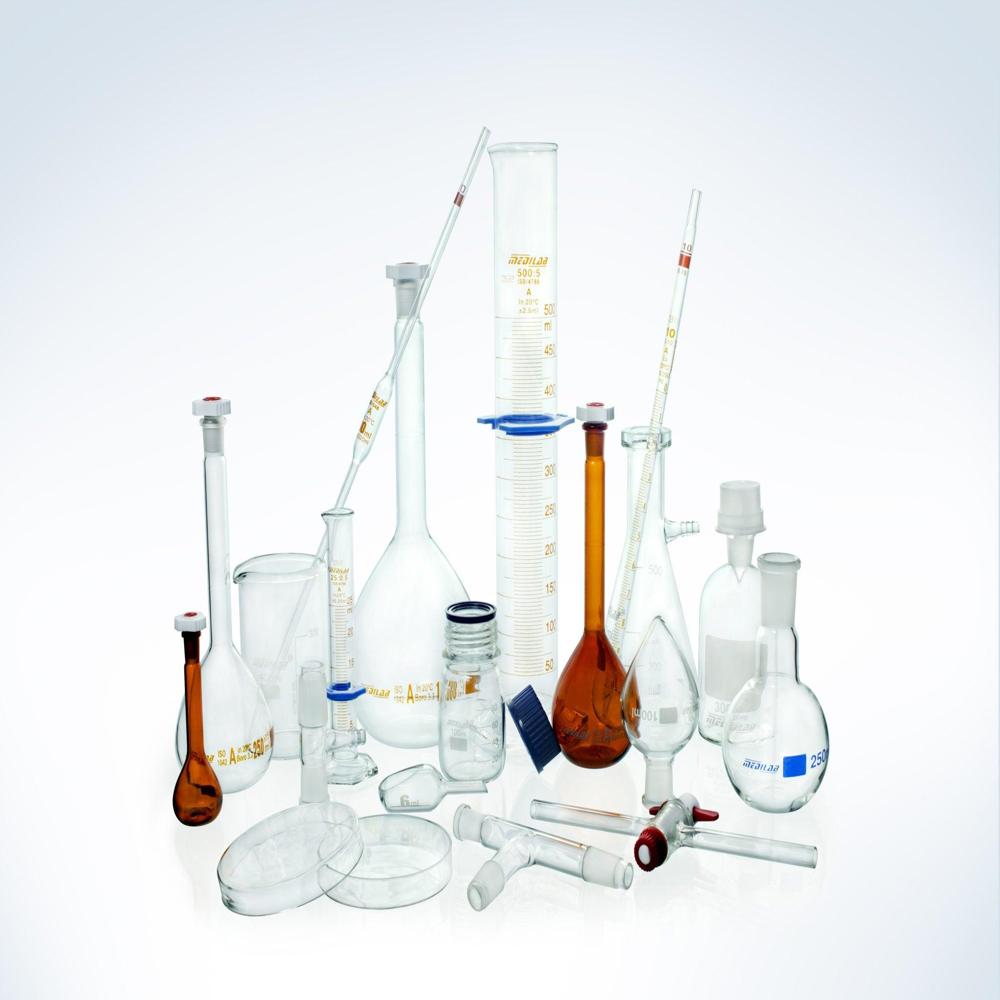
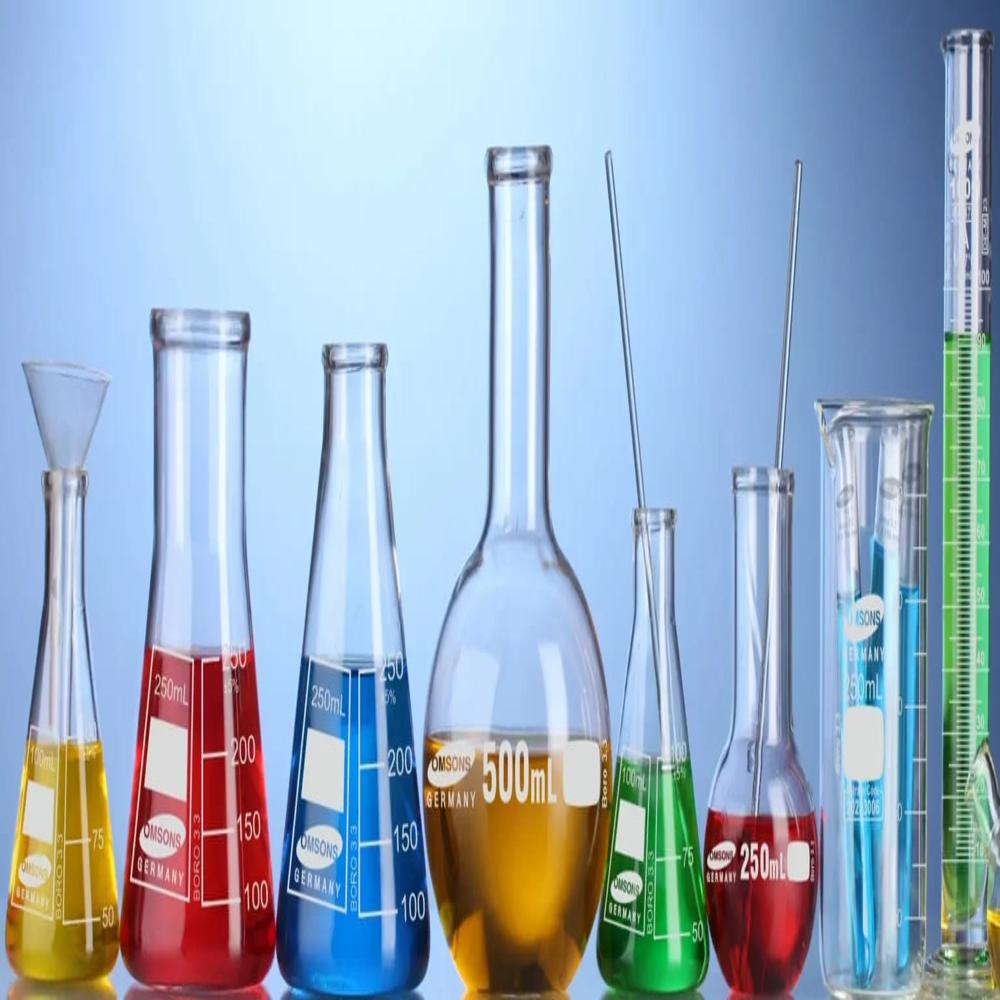
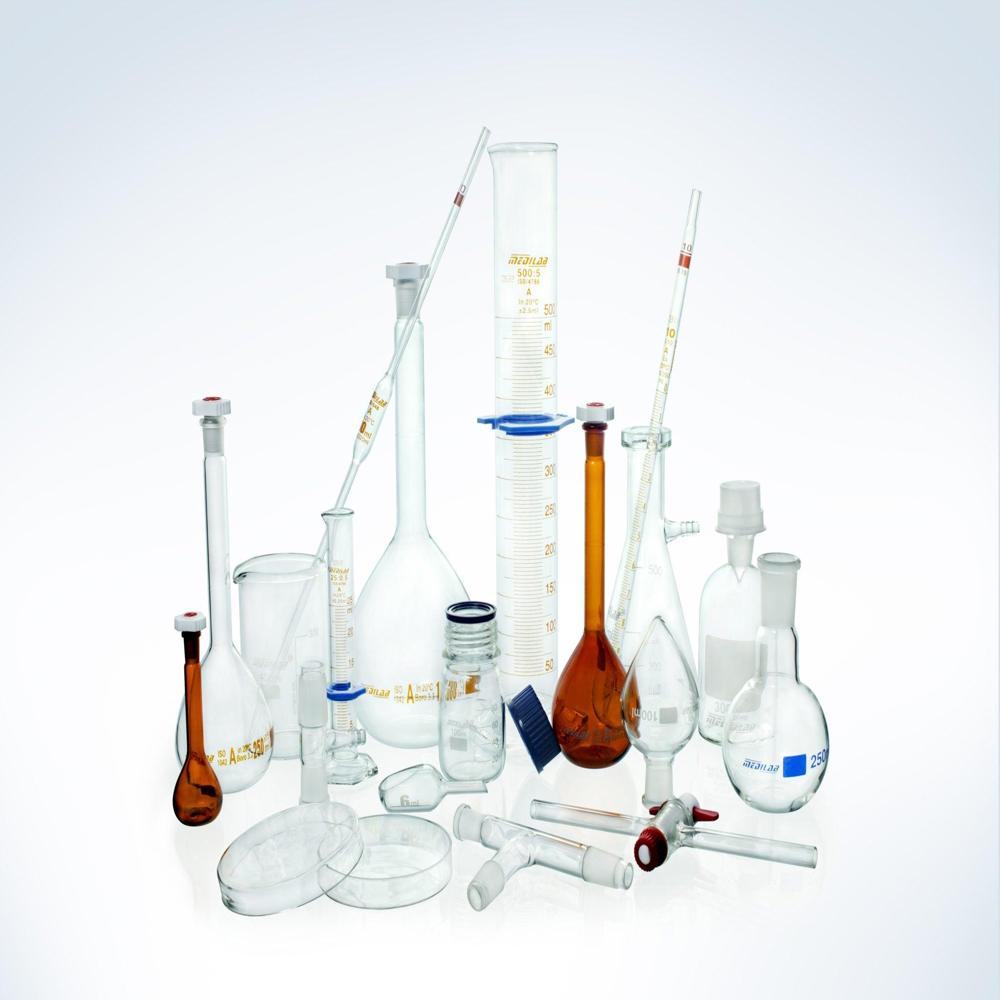
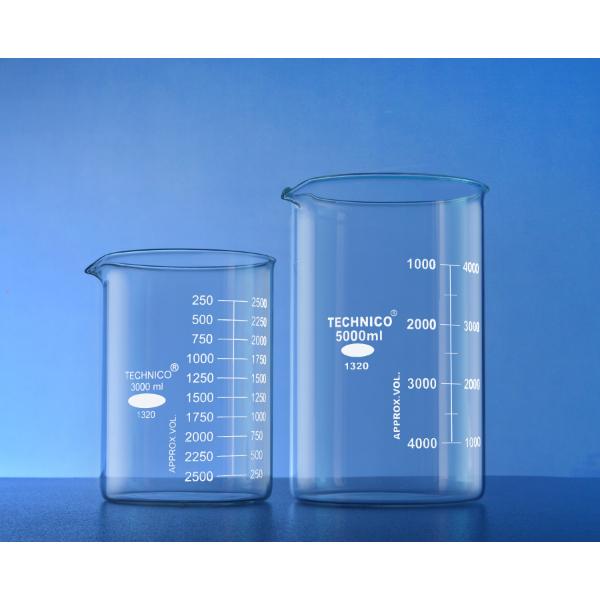
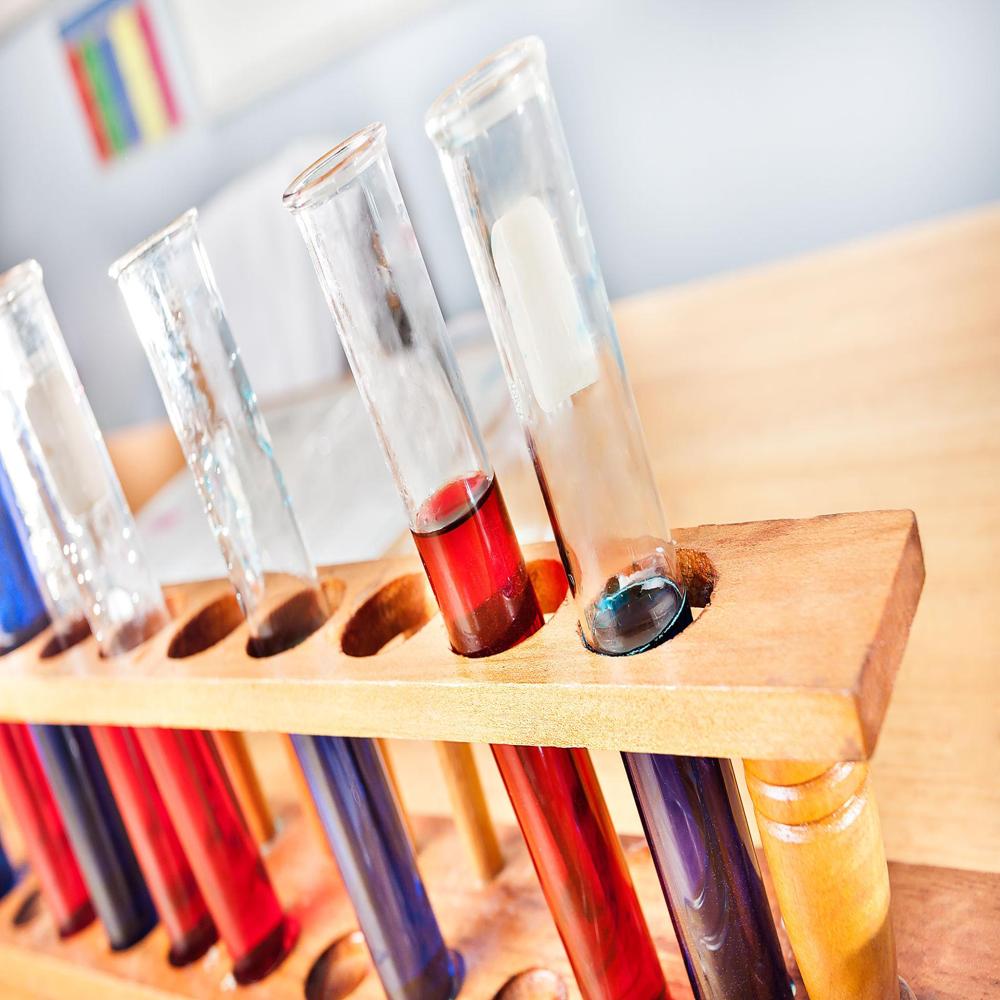
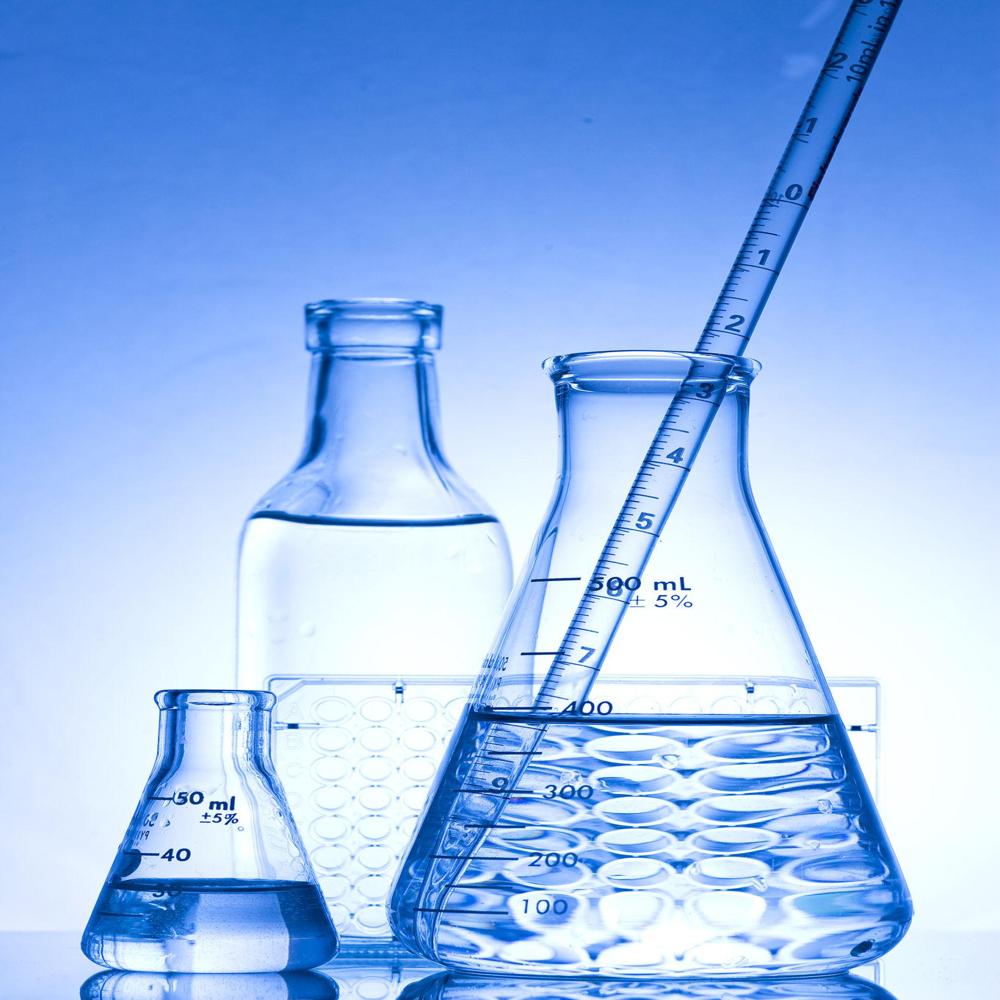
pipettes, burettes, beakers, flasks, funnels, petri dishes, graduated cylinders, vials, slides, and stirring rods and etc.
Exceptional Thermal & Chemical EnduranceOur glassware is engineered for high thermal shock resistance, allowing you to conduct experiments involving rapid temperature changes without risk of breakage. With superior resistance to most acids, bases, and solvents, except hot phosphoric acid and hydrofluoric acid, this range of products ensures longevity and reliable performance in both industrial and laboratory environments.
Wide Variety for Every ApplicationChoose from an extensive range of laboratory essentials including beakers, flasks, measuring cylinders, pipettes, burettes, funnels, petri dishes, watch glasses, and desiccators. With capacities from 1 ml up to 20 liters, and options in cylindrical, conical, spherical, and custom shapes, our glassware suits chemical analysis, distillation, mixing, heating, titration, and storage.
Engineered for Safety and ClarityEvery item undergoes precise annealing and features fire-polished edges, reducing the risk of cuts and providing added safety. The transparent or amber-tinted designs guarantee clear visibility for accurate observation of contents and color reactions, making them ideal for precision laboratory work and quality control processes.
FAQ's of Industrial glassware & laboratory glassware:
Q: How do I ensure the longevity of industrial and laboratory glassware in daily use?
A: To maximize the lifespan of your glassware, clean and dry each piece after use, store items away from harsh acids and alkalis, and avoid sudden temperature changes beyond their rated limits unless specified as thermal shock resistant. All products are designed for repeated use but proper handling will enhance their durability.
Q: What is the recommended procedure for autoclaving this glassware?
A: Before autoclaving, ensure all glassware is completely clean and free of residues. Arrange items to allow steam penetration and avoid stacking tightly. Since the glassware is certified autoclavable, it can safely undergo standard sterilization cycles according to laboratory protocols. Always inspect for any cracks prior to autoclaving.
Q: When should I consider using amber or tinted glassware instead of clear versions?
A: Amber or tinted glassware should be used when working with light-sensitive chemicals or biological samples. The tinted glass helps prevent degradation caused by exposure to ultraviolet or visible light, making it ideal for photoreactive substances.
Q: Where are these glassware variants typically applied in industry or research?
A: These glassware items are widely deployed in chemical analysis, mixing and heating, distillation, titration, filtration, and storage operations. Their use spans academic research, pharmaceuticals, industrial quality control labs, and process manufacturing owing to their robust resistance to chemicals and temperature changes.
Q: What benefits do fire-polished edges and annealed surfaces provide?
A: Fire-polished edges minimize the risk of cuts or injury during handling, while annealing relieves internal stresses in the glass, significantly reducing the risk of breakage and enhancing the glassware's overall structural integrity during heating, cooling, and routine use.
Q: How do I select the appropriate glassware type and capacity for my experiment?
A: Select glassware based on the required process (e.g., titration, storage, heating) and the volume needed. Refer to the specific capacity range for each item-beakers, flasks, and cylinders range from 1 ml up to 20 liters. Consider shape (cylindrical, conical, spherical) and transparency needs, as well as chemical compatibility.
 Send Inquiry



 Send Inquiry

 Send Inquiry
 English
 Spanish
 French
 German
 Italian
 Chinese (Simplified)
 Japanese
 Korean
 Arabic
 Portuguese