About PET flim
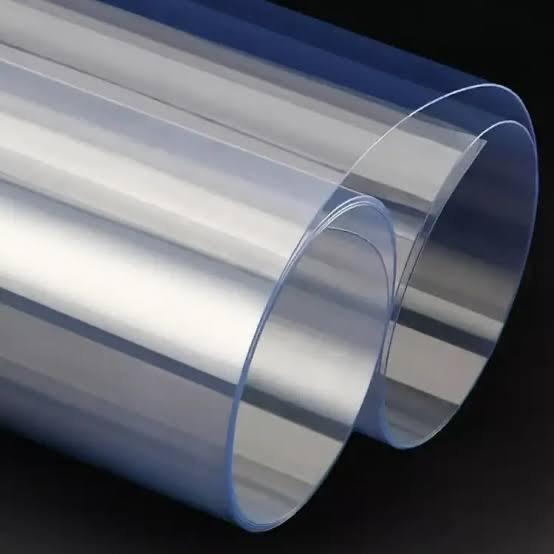
PET film stands for Polyethylene Terephthalate Film. It is a thin, flexible, transparent plastic film made from polyester resin. PET film is widely used because of its:
- High strength
- Transparency
- Chemical resistance
- Electrical insulation properties
It is one of the most commonly used polymer films in industrial, electronic, packaging, and scientific applications.
Versatile Industrial ApplicationsFrom high-clarity packaging to robust lamination and superior electrical insulation, our PET film adapts to a diverse range of industrial uses. Whether you need transparent or milky appearance, coated or uncoated surface, and custom cuts, the film's reliability and adaptability underscore its suitability for high-specification projects.
Engineered for Performance and DurabilityTested for tensile strength above 200 MPa and heat resistance up to 150C, this PET film ensures exceptional performance and longevity. With neutral pH, low water absorption, and excellent dielectric attributes, your applications benefit from enhanced safety, efficiency, and product life cycle. The film's purity and controlled density also deliver consistency in demanding environments.
FAQ's of PET flim:
Q: How is PET film typically used in industrial applications?
A: PET film is widely utilized in industries for packaging, lamination, electrical insulation, and printing due to its clarity, durability, and chemical resistance. Its customizable thickness and finishes make it ideal for a range of general and specialized uses.
Q: What benefits does coated or corona-treated PET film offer over uncoated varieties?
A: Coated or corona-treated PET films provide enhanced surface energy, improving ink adhesion in printing and lamination applications. This leads to better print quality, stronger bond strength in multilayer products, and increased versatility compared to uncoated films.
Q: When should I choose milky or transparent PET film?
A: Milky PET film is generally selected for masking light or enhancing aesthetics in product packaging, while transparent PET film is preferred where clarity and product visibility are crucial, such as food packaging or window applications.
Q: Where should PET films be stored for optimal shelf life and quality?
A: PET films should be stored in a cool, dry area away from direct sunlight to maintain their properties. Proper storage prolongs shelf life (typically 12-24 months) and prevents adverse effects from heat or moisture exposure.
Q: What is the process for recycling PET film after its use?
A: After use, PET film can be collected, cleaned, and processed through standard recycling systems. It is shredded, melted, and reformed into new products, reducing environmental impact and supporting sustainable manufacturing practices.
Q: How does excellent dielectric strength benefit electrical insulation projects?
A: The film's superior dielectric strength ensures reliable electrical insulation, protecting components from electrical breakdown and enhancing safety in electronic and electrical applications.
 Send Inquiry



 Send Inquiry

 Send Inquiry
 English
 Spanish
 French
 German
 Italian
 Chinese (Simplified)
 Japanese
 Korean
 Arabic
 Portuguese