About Carbon Screen Printing Electrode
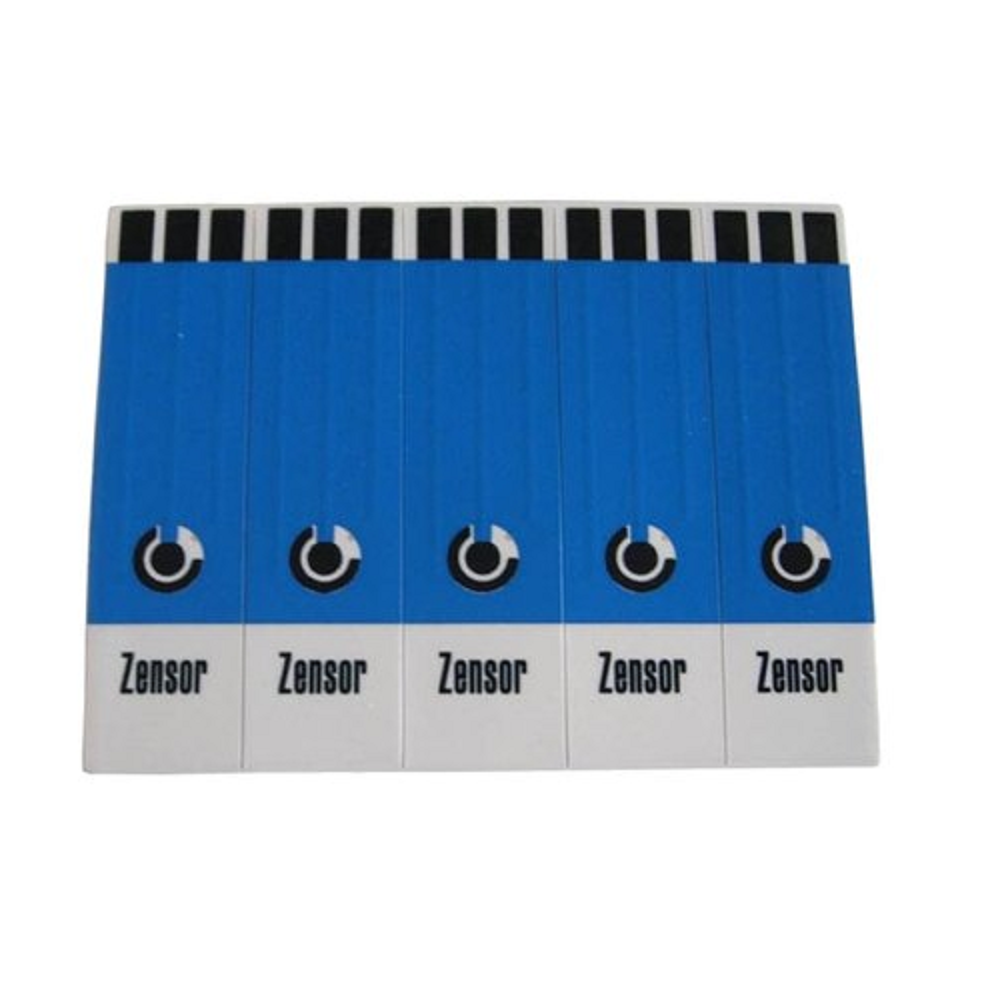
Screen Printed Electrodes (SPEs) are compact electrochemical sensing devices fabricated by printing conductive inks onto flat substrates such as ceramic, plastic, or flexible polymers using a screen-printing process. They are widely used in biosensors, environmental monitoring, medical diagnostics, and electrochemical research
Advanced Electrochemical SensingEngineered for reliability and accuracy, this screen-printed carbon electrode is tailored for quantitative electrochemical analysis in research, diagnostics, and biosensing. Its high-quality carbon composite and PET substrate ensure consistent performance, while disposable design simplifies workflow and reduces contamination risk.
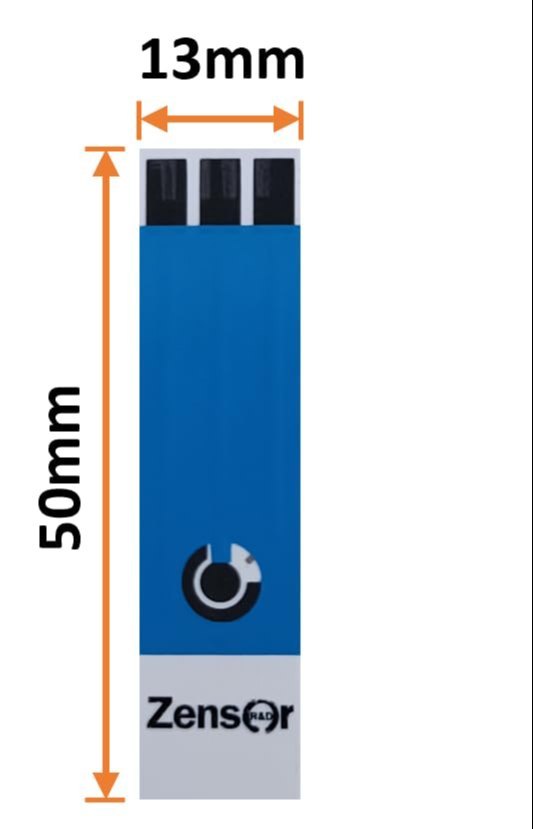
Precision and Ease of UseWith a 3 mm working electrode and clear demarcated reference and counter electrodes, the sensor offers precise measurements and manual control. The rectangular shape, easy handling, and plug-and-use features enable rapid workflow in laboratory and on-field applications.
Durability and Optimal StorageDesigned with robust materials, the electrode withstands temperatures up to 80C. To maximize shelf life and performance, store unopened electrodes in a cool, dry environment. Each single-use strip ensures freshness and maintains signal integrity.
FAQ's of Carbon Screen Printing Electrode:
Q: How is the Carbon Screen Printing Electrode used in electrochemical analysis?
A: This electrode is connected via its 2.5 mm wide connector to compatible instrumentation. Once attached, the sensor's carbon working, reference (Ag/AgCl), and counter electrodes facilitate electrochemical reactions for applications such as diagnostics or biosensor measurements.
Q: What are the recommended storage conditions and shelf life for these electrodes?
A: Store the electrodes in a cool, dry location, and keep them unopened in their original packaging. Under these conditions, they maintain optimal performance for up to 12 months.
Q: When should a new Carbon Screen Printing Electrode be used?
A: As these electrodes are single-use and disposable, a new sensor should be used for each independent analysis to prevent cross-contamination and ensure signal accuracy.
Q: Where can these electrodes be applied in research or diagnostics?
A: They are suitable for a range of settings, including laboratories, research centers, and diagnostic facilities, serving in biosensing, electrochemical studies, and point-of-care testing.
Q: What benefits does the pre-fabricated design offer users?
A: The pre-fabricated, disposable format ensures consistency, reduces preparation time, and limits contamination risks, providing convenience for routine and high-throughput measurements.
Q: How durable are these electrodes during operation?
A: Constructed with PET and carbon composite, the electrodes resist chemical degradation and can operate in environments up to 80C, maintaining signal reproducibility within 1% variation.
 Send Inquiry



 Send Inquiry

 Send Inquiry
 English
 Spanish
 French
 German
 Italian
 Chinese (Simplified)
 Japanese
 Korean
 Arabic
 Portuguese