About Electrochemical cell
An
electrochemical cell is a device that converts
chemical energy into electrical energy or electrical energy into chemical energy through
redox (oxidation-reduction) reactions.
Description of an Electrochemical Cell
An electrochemical cell consists of two electrodes immersed in an electrolyte solution.
Main Parts
- Anode
- Electrode where oxidation occurs.
- Cathode
- Electrode where reduction occurs.
- Electrolyte
- Conducting solution containing ions.
- Salt Bridge
- Maintains electrical neutrality by allowing ion movement between solutions.
- External Circuit
- Path through which electrons flow from anode to cathode.
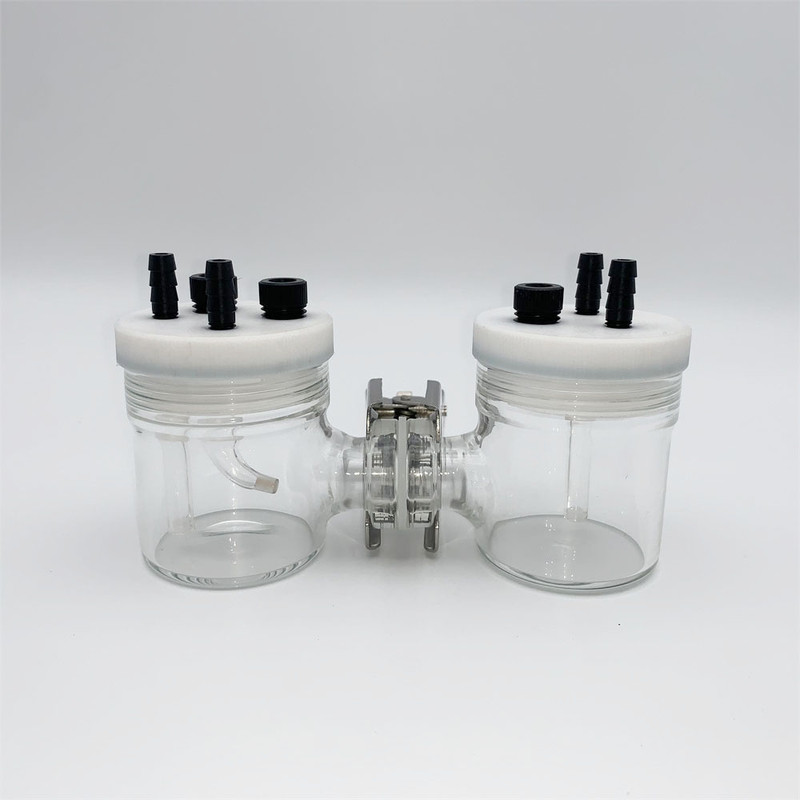
Our electrochemical cell supports both 2- and 3-neck configurations for enhanced versatility, enabling easy electrode entry, gas management, and sampling. The PTFE/glass lid provides secure positioning, while airtight ground glass joints minimize contamination and evaporation. This flexibility ensures suitability across a wide spectrum of electrochemical experiments.
Premium Materials and Broad CompatibilityConstructed with clear borosilicate glass and offered with electrodes made from Platinum, Graphite, or Silver, the cell resists harsh chemicals and endures temperatures up to 200C. It's compatible with both aqueous and organic electrolytes, making it a dependable choice for various research and laboratory applications.
Customizable and Complete KitEach electrochemical cell comes supplied with necessary electrodes, holders, rubber stoppers, and tubing when specified. Customization options extend to cell volume, joint sizes, and the number of ports, ensuring the apparatus aligns precisely with experimental protocols. Optional chamber separation and external instrumentation compatibility enhance application flexibility.
FAQ's of Electrochemical cell:
Q: How do I introduce electrodes and gases into the electrochemical cell?
A: The cell features 2 or 3 neck ports, allowing straightforward insertion of electrodes and the management of gas inlets or outlets. PTFE or glass lids securely position electrodes, while specific necks can be designated for gas introduction and venting during experiments.
Q: What types of electrodes are compatible with this electrochemical cell?
A: This cell is compatible with Platinum, Graphite, Silver, and other custom electrodes. Electrode holders and mounting ports are designed for versatile electrode accommodation, facilitating a broad range of electrochemical applications.
Q: When should I use a frit or membrane for chamber separation?
A: A frit or membrane is recommended when you need to separate cathode and anode chambers, such as during studies requiring compartmentalization to prevent cross-contamination of products or reactants. This option can be selected according to your experimental setup.
Q: Where can I use this electrochemical cell?
A: Designed for laboratory settings, this cell is suitable for electrochemical analysis, research labs, educational institutions, and facilities focused on corrosion studies or testing electrochemical reactions with various electrolyte types.
Q: What is the process for customizing the cell for my experiment?
A: Simply specify your desired volume, joint size, and number of ports when ordering. The manufacturer can adjust these parameters, providing you with a cell tailored to your precise laboratory needs, including optional accessories and compatibility with external instrumentation.
Q: How does the adjustable working electrode surface area benefit experiments?
A: The adjustable working electrode surface area allows optimization of experimental parameters for specific research goals. You can increase or decrease the area exposed based on sensitivity, reaction rates, or scale, providing greater experimental control.
Q: What accessories are included and how does this benefit users?
A: The cell is supplied with electrodes, holders, rubber stoppers, and tubing (if asked for), streamlining laboratory setup and ensuring you have the essential components required for immediate experimentation. Customization of accessories further enhances user convenience.
 Send Inquiry



 Send Inquiry

 Send Inquiry
 English
 Spanish
 French
 German
 Italian
 Chinese (Simplified)
 Japanese
 Korean
 Arabic
 Portuguese