About Conductive carbon paper
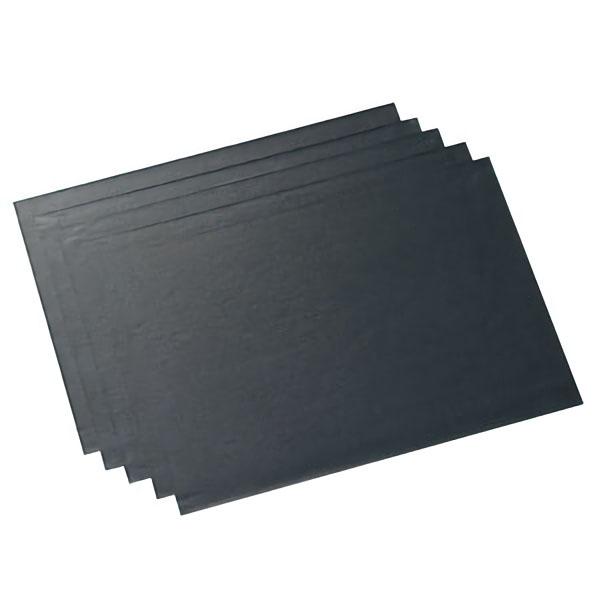
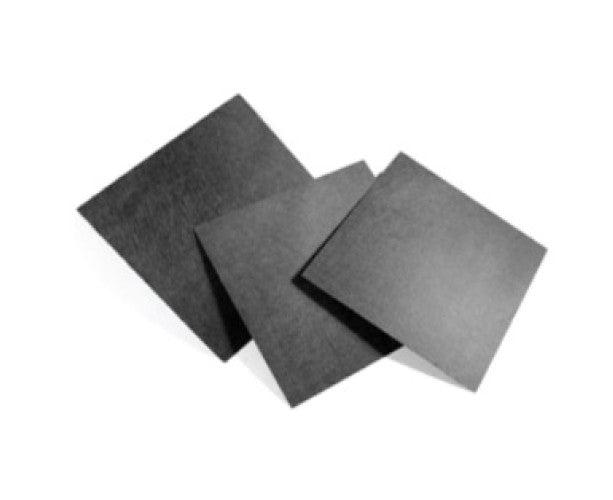
Conductive carbon paper is a special type of paper coated with a thin layer of carbon or graphite that allows electricity to pass through it. It is commonly used in electronics, laboratories, sensors, and electrical experiments.
Exceptional Electrochemical PerformanceWith a controlled surface resistivity of 10 /sq and uniform thickness, this conductive carbon paper ensures reliable results across a range of laboratory applications, including electrochemical analysis and advanced energy storage systems. Its high porosity enables efficient reactant transport, while the carbon fiber matrix guarantees chemical stability and mechanical integrity.
Versatile and Durable Laboratory MaterialConstructed from high-purity carbon and robust polymer binder, this paper merges flexibility and strength-making it easy to handle and fabricate for customized electrodes. Its inherently flame-retardant and corrosion-resistant surface extend its usability and safety in demanding lab settings.
FAQ's of Conductive carbon paper:
Q: How should conductive carbon paper be stored to maintain its quality?
A: Conductive carbon paper should be stored in a cool, dry place away from direct sunlight. This prevents moisture absorption and potential degradation of its conductive or mechanical properties, ensuring optimal performance over time.
Q: What applications are ideal for this conductive carbon paper?
A: This carbon paper is designed for use in electrochemical analysis, fuel cells, battery electrodes, supercapacitors, and sensors. Its high conductivity, chemical resistance, and low water retention make it especially suitable for demanding laboratory and industrial processes.
Q: When is it advantageous to use this carbon paper over other electrode materials?
A: This carbon paper offers benefits such as high electrical conductivity, low weight, flame resistance, and compatibility with a range of chemicals. It is particularly advantageous when flexibility, resistance to corrosion, and precise thickness control are required.
Q: Where can conductive carbon paper be applied in research setups?
A: It can be utilized in both laboratory and pilot-scale experiments. Researchers employ it as an electrode component or support material in electrochemical cells, energy devices, and various sensor platforms owing to its versatility and resilience.
Q: What is the process for cutting or shaping this conductive carbon paper?
A: The flexible and compact structure allows the paper to be easily cut or shaped with standard laboratory scissors or blades. Handling is straightforward, but it is recommended to use gloves to avoid contamination and preserve surface conductivity.
Q: How does its high porosity benefit electrochemical devices?
A: A porosity of approximately 75% enables rapid ion transport and gas diffusion, which enhances efficiency in devices like fuel cells and supercapacitors. This structure facilitates better reactant access and improves overall device performance.
 Send Inquiry



 Send Inquiry

 Send Inquiry
 English
 Spanish
 French
 German
 Italian
 Chinese (Simplified)
 Japanese
 Korean
 Arabic
 Portuguese