About Rotating Ring Disc Electrode
A
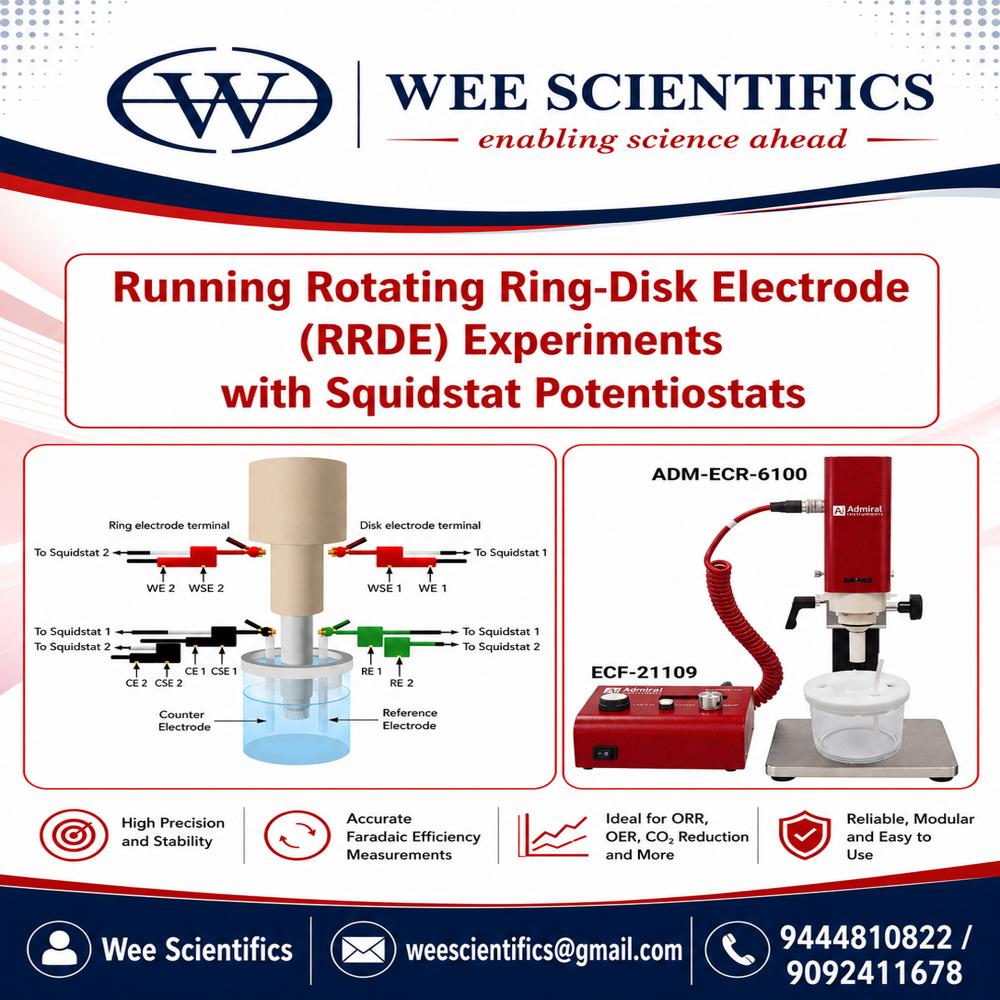
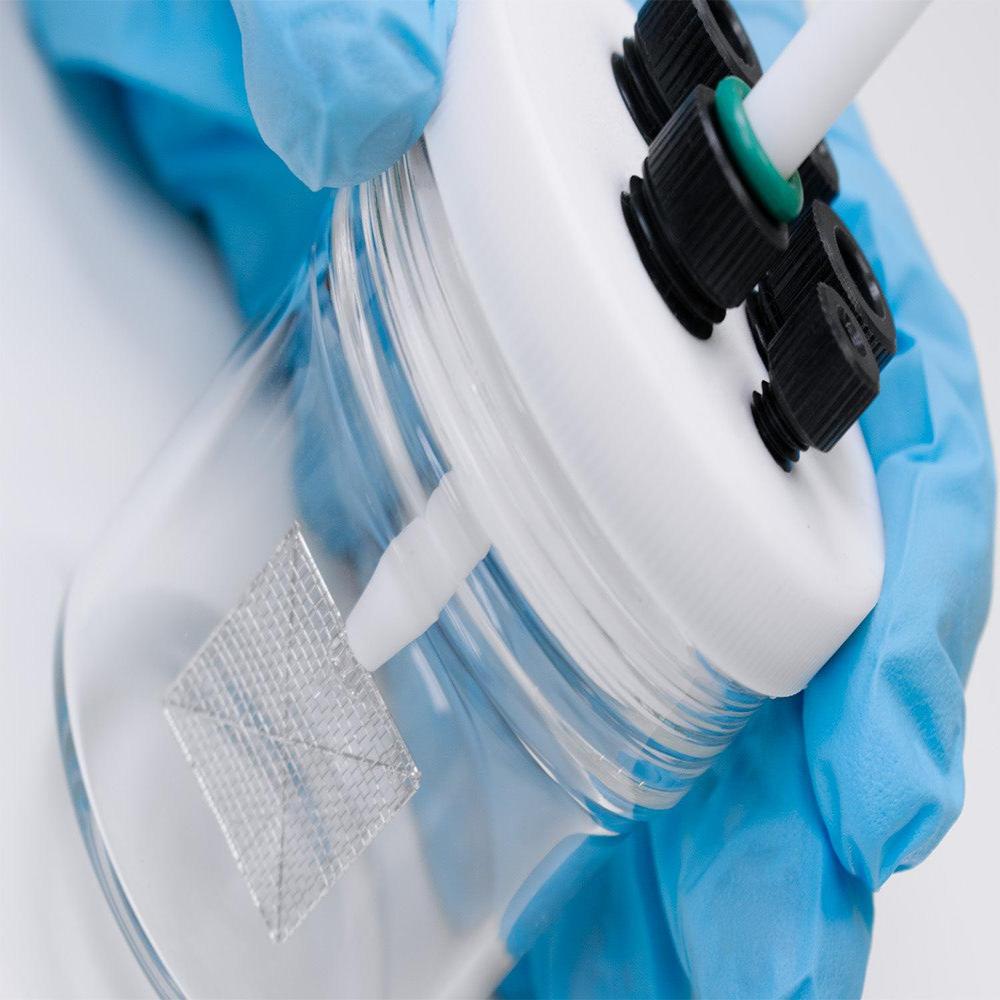
Rotating Ring Disc Electrode (RRDE) is an advanced electrochemical electrode system used to study reaction mechanisms, electron transfer processes, and intermediate species in electrochemistry.
The
Admiral RRDE system is commonly used with electrochemical workstations for precise rotating electrode experiments in:
- Oxygen reduction reaction (ORR)
- Hydrogen evolution reaction (HER)
- Battery and catalyst analysi
Designed for versatility, the RRDE supports a broad speed range with precise control. Its microprocessor-driven digital interface allows researchers to set rotation rates with 1 rpm increments, making it invaluable for reproducible experiments. The electrode assembly fits standard lab cells and connects universally to major potentiostat brands, streamlining integration into most laboratories.
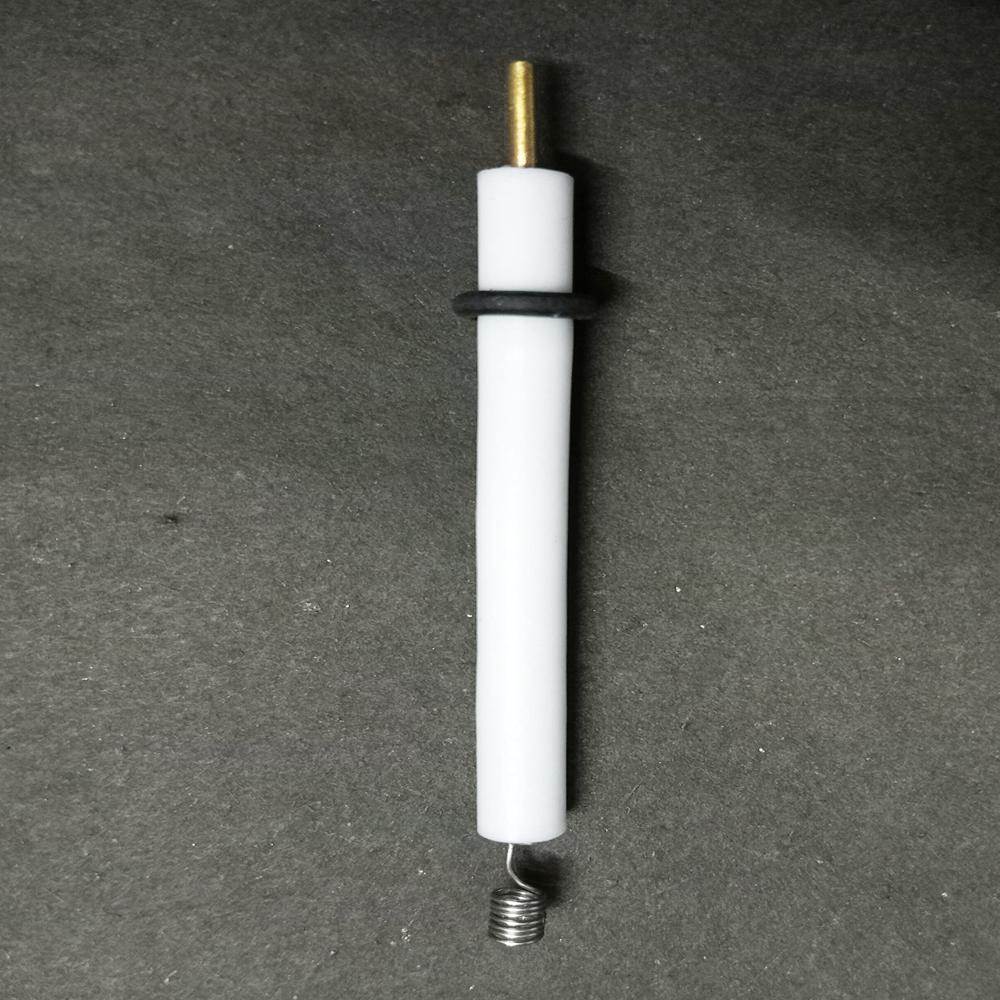
Durable Construction and Flexible CustomizationEngineered from platinum, stainless steel, glass, and PTFE, the RRDE combines chemical resistance with robust performance. Standard models are suitable for wide-ranging applications, while custom options accommodate varied material, size, and gap requirements. Easy electrode exchange allows for rapid configuration adjustments and long-term reliability in demanding research environments.
FAQ's of Rotating Ring Disc Electrode:
Q: How do I connect the Rotating Ring Disc Electrode to my potentiostat setup?
A: The RRDE is equipped with standard banana plug terminals and is compatible with all major potentiostat brands through universal connectors. Simply connect the respective cables from the electrode assembly to your potentiostat following the user manual instructions.
Q: What is the standard ring and disc material in this RRDE, and can it be customized?
A: Both the ring and disc are constructed from platinum as standard, ensuring high chemical resistance and stability. If required, other materials can be provided on request to suit specific research applications.
Q: When should I consider customizing the ring/disc gap or assembly size?
A: Customization is beneficial when your research requires non-standard geometries or specific analyses, such as unique diffusion profiles or fitting non-standard lab cell sizes. The manufacturer can tailor ring/disc gaps or overall assembly size on request.
Q: Where can this electrode be used regarding lab compatibility?
A: The device is designed to fit standard electrochemical cells with a 24 mm neck, making it suitable for most laboratory setups. Its connectors and size support seamless integration into academic, industrial, or research labs worldwide.
Q: What is the process for exchanging electrodes or performing maintenance?
A: Electrode exchange is straightforward due to the modular assembly. Refer to the included user manual for step-by-step guidance on removing and installing electrodes. Routine maintenance involves rinsing the components and periodically checking for mechanical wear.
Q: How does using this RRDE benefit my electrochemical experiments?
A: Utilizing the RRDE offers advantages like stable and precise speed control, high reproducibility, and corrosion-resistant construction. This facilitates accurate kinetic studies, reliable sensor calibration, and in-depth catalyst characterization with minimal interference.
 Send Inquiry



 Send Inquiry

 Send Inquiry
 English
 Spanish
 French
 German
 Italian
 Chinese (Simplified)
 Japanese
 Korean
 Arabic
 Portuguese